Low-Tech, High-Impact: Turning Dock Appointments Into a Bulk Cost Advantage
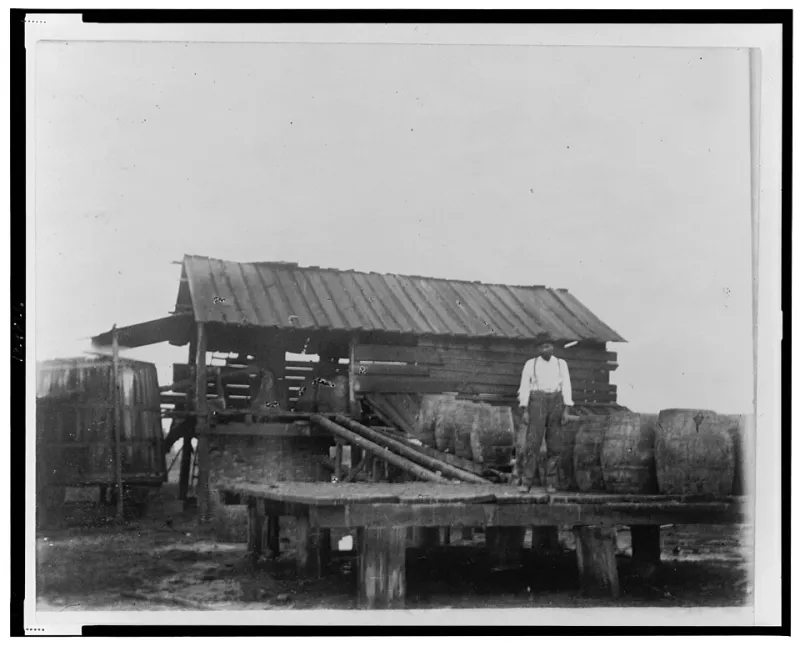
Photo: African American Photographs Assembled for 1900 Paris Exposition, Public domain, via Wikimedia Commons
The Appointment Window Is Part of Total Landed Cost
Bulk buyers spend considerable time negotiating unit price, freight rate, and payment terms. The receiving calendar receives far less attention, even though it determines whether the freight rate actually holds. A truck that arrives outside its appointment window can wait for a dock, a receiver, or a forklift. That wait becomes detention. Detention becomes a line item. The line item becomes part of the landed cost of every case on the trailer.
The problem is not limited to large distribution centers. Smaller US wholesale operations often have tighter yards, fewer dock doors, and receiving teams that also handle shipping, inventory, and customer will-call. A single unscheduled delivery can disrupt the entire day. When appointments are managed by phone calls and memory, the dock becomes a queue rather than a control point.
How Receiving Chaos Inflates Bulk Costs
Chaotic receiving rarely announces itself as a cost. It appears as a recurring detention charge, a carrier accessorial, or a productivity loss that nobody attributes to scheduling. Common patterns include vendors choosing delivery dates without checking dock capacity, sales teams promising delivery windows that receiving cannot support, carriers arriving early and expecting immediate service, and receiving staff counting pallets without a standard appointment record.
The damage compounds. A missed window can push a delivery into the next shift, where labor is thinner. A trailer that cannot be unloaded becomes a yard liability. A rushed unload increases damage and count errors. A carrier that repeatedly waits may add a surcharge or deprioritize the lane. None of these costs appear in the original quote, but all of them affect the buyer's margin.
A Playbook That Runs on a Shared Calendar
Dock discipline does not require a sophisticated transportation management system. It requires a single source of truth, clear rules, and someone accountable for the schedule. A shared calendar, a standard appointment form, and a daily receiving huddle can cover most of the need.
-
Publish receiving windows and cutoffs. State the days, hours, and load types the dock can accept. Include cutoffs for appointment changes and same-day requests.
-
Assign appointment ownership. One person should own the dock calendar and have authority to reject or reschedule deliveries that do not fit.
-
Standardize carrier data. Capture carrier name, driver contact, trailer number, purchase order, expected pallet count, load type, and arrival window on every appointment.
-
Cap capacity by window. Do not book more trailers than the dock and labor can handle. A calendar that ignores unloading time is a wish list, not a schedule.
-
Add a buffer for high-volume days. Bulk deliveries rarely arrive in perfect sequence. Leave room for a late trailer without collapsing the next window.
-
Track detention and root cause. Record every detention event with arrival time, dock time, release time, and reason. Review the pattern weekly, not quarterly.
-
Communicate exceptions before they become arguments. If a carrier is late, the receiver should know. If a supplier changes a load, the dock should know. If a window is full, the buyer should know before the truck departs.
Drop-Trailer Arrangements: Trade-Offs Worth Understanding
Drop-trailer arrangements can reduce dock congestion when the buyer has yard space, trailer pool management, and secure storage. The carrier leaves a trailer, the receiving team unloads it on its own schedule, and the carrier returns for the empty. This can smooth labor peaks and reduce driver wait time.
The trade-offs are real. Drop trailers require yard capacity, trailer tracking, seal control, and clear liability terms. A dropped trailer can become unauthorized storage if the unload is delayed. Detention may be replaced by trailer rental or pool charges. Inventory visibility can suffer if the trailer is treated as an extension of the warehouse without proper receipt. The arrangement works best when the buyer sets unload deadlines, inspects seals, and reconciles the trailer count against the appointment record.
Receiving-Window Discipline Without Enterprise Software
A practical system can be built with tools most wholesale operations already have. Use a shared calendar for appointment slots. Use a standard form for carrier and load details. Assign a unique appointment ID to every delivery. Require the carrier to confirm the window before dispatch. Hold a ten-minute receiving huddle at the start of each shift. Post a daily dock schedule where the receiving team can see it.
The measurement that makes the system stick is not the number of appointments booked. It is the cost of the exceptions. Track appointment compliance, average dock-to-stock time, detention cost per load, and unload cycle time. Review the numbers with procurement, receiving, and carriers in the same conversation. When a carrier sees that its late arrivals are measured, and a supplier sees that its delivery changes create detention, the calendar becomes a commercial tool rather than an administrative chore.
The Cost Lever Hiding in Plain Sight
In 2026, US bulk buyers are under pressure to protect margin against freight volatility, inventory carrying costs, and unpredictable demand. The dock is one of the few places where a low-tech process can produce an immediate, measurable result. Clean appointment windows do not replace good freight rates or strong supplier terms. They make those advantages real by ensuring the trailer can be received when it arrives.
At BulkBridge Supply, the trend is clear: the receiving calendar is not a back-office detail. It is a cost center, a service level, and a negotiating asset. Treat it with the same discipline as the purchase order, and the savings will show up where they belong: in total landed cost.