Secondhand Inventory, Firsthand Risk: A Hard-Nosed Buyer's Guide to the US Liquidation Market
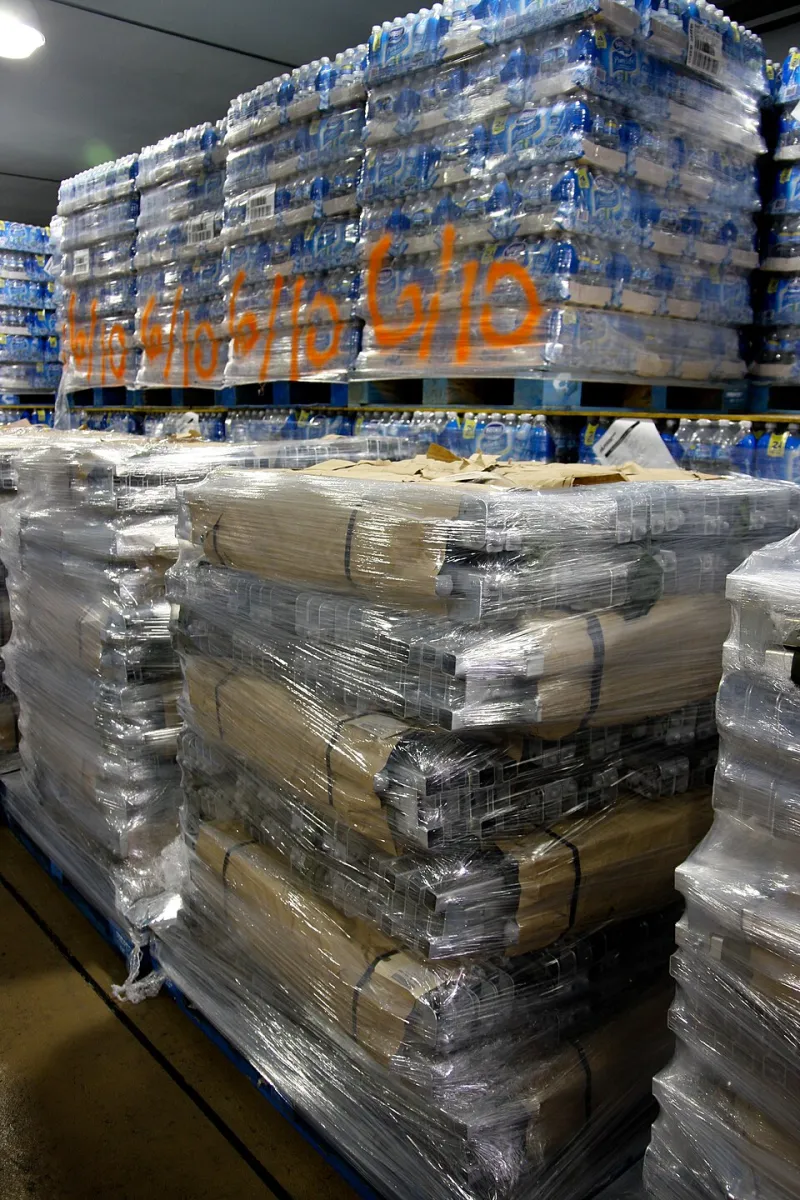
Photo: Jacinta Quesada, Public domain, via Wikimedia Commons
The American liquidation market has outgrown its flea-market reputation. Retail returns and overstock now move through online marketplaces, regional brokers, and direct retailer contracts at a scale that would have seemed implausible a decade ago. For bulk buyers, the pitch is seductive: brand-name inventory at 30 to 80 cents on the wholesale dollar.
Here is my position after watching this channel mature: liquidation is a legitimate sourcing strategy for roughly half the buyers attempting it, and a quiet money pit for the rest. The difference is discipline, not luck.
When Distressed Inventory Makes Sense
Overstock buying rewards three profiles. Consumable-adjacent resellers — hardware, housewares, general merchandise — where shelf life is long and margin math is simple. Export and secondary-market operators with distribution channels that don't require current-season packaging. And established small retailers who treat closeouts as a margin layer on top of a stable core assortment, not a replacement for one.
If your business model requires pristine packaging, current model years, manufacturer warranties, or MAP-compliant pricing, most liquidation inventory will disappoint you. That's not a flaw in the channel; it's a mismatch in expectations.
The Red Flags That Should Stop a Purchase
No manifest, no deal. A reputable lot comes with a detailed manifest — SKU counts, condition codes, retail values, and lot origins. Vague descriptions like "mixed general merchandise, 24 pallets, all sellable" are how expired product and salvage-grade stock get laundered into "overstock" pricing.
Date codes and lot numbers obscured or absent. Cosmetics, food-contact items, batteries, and over-the-counter products carry real expiration and regulatory exposure. If a seller can't or won't document date codes, assume the worst.
Gray-market signals. Serialized electronics, restricted-brand appliances, and products with removed or altered UPC labels often carry brand restrictions — or worse, were diverted through unauthorized channels. Brands actively pursue resellers of diverted goods, and "I bought it at a liquidation auction" is not a defense.
Condition-code inflation. Learn the vocabulary: "customer returns" is not "shelf pulls," and "salvage" is not "unopened overstock." Sellers who blur these terms are pricing salvage-grade product at overstock-grade rates.
Payment terms that outpace inspection. Wire transfers before pickup, no inspection windows, and "as-is, where-is" applied to supposedly unopened goods — any one of these is a warning; all three is a pattern.
A Practical Vetting Checklist
Before committing capital to any closeout lot:
- Verify the seller's chain of custody. Where did the inventory originate? A store closing, a canceled purchase order, and an insurance write-off are very different risk profiles.
- Inspect a random sample, not a curated one. Pull pallets yourself, or hire a third-party inspector for out-of-state purchases.
- Reconcile the manifest against actual counts on 10–20% of the lot. Shortfalls above 3% should trigger renegotiation.
- Check restricted brands against your resale rights. A phone call to the brand's authorized-dealer line takes ten minutes and can save a six-figure inventory.
- Model your real recovery rate. If 15% of a lot is unsellable and your sell-through takes four months, your "70% off" is closer to 40% off with carrying costs attached.
- Confirm compliance items. Children's products, electrical goods, and anything with safety certifications deserve extra scrutiny — recall liability can follow the product to whoever sells it last.
The Bottom Line
Liquidation isn't a shortcut around procurement discipline — it's procurement discipline on hard mode. The buyers who profit from distressed inventory are the ones who treat every lot like an audit, not an auction. Start small, verify relentlessly, and let the channel earn its way into your sourcing mix one verified pallet at a time.