Vet Before You Commit: A Structured Supplier Audit Framework for High-Volume Procurement Decisions

In bulk purchasing, the stakes attached to a single supplier relationship can be enormous. A favorable unit price is compelling, but it tells only a fraction of the story. When volume commitments are large and supply continuity is critical, the true measure of a supplier is not what they promise on a quote sheet — it is what they can consistently deliver across fluctuating demand cycles, labor disruptions, and raw material shortages.
For procurement managers at US wholesale operations and industrial distributors, the period before signing a high-volume agreement is the single greatest point of leverage. Once a contract is executed, the power dynamic shifts. That is why a structured supplier audit — conducted with discipline and specificity — is not a bureaucratic formality. It is a strategic instrument.
This framework outlines the four core pillars of a pre-commitment supplier audit and provides practical guidance on how to apply each one before volume obligations are locked in.
Pillar One: Financial Stability and Business Continuity
A supplier's financial health directly affects your supply chain's resilience. A vendor operating with thin margins, excessive debt leverage, or inconsistent cash flow may struggle to fulfill large orders during periods of input cost volatility or credit tightening.
Begin by requesting recent financial statements — ideally two to three years of audited figures. For privately held suppliers that are reluctant to share full financials, a Dun & Bradstreet report or similar third-party credit assessment can provide meaningful signals. Look for trends in revenue consistency, accounts payable aging, and working capital ratios.
Beyond the numbers, ask direct questions: How does the supplier fund production runs for large purchase orders? Do they require significant deposits, and if so, what protections do they offer? Are they dependent on a single bank relationship or financing facility? A supplier that cannot clearly articulate how it finances large-scale production is a supplier that may struggle to execute when your order arrives.
Also assess ownership structure and any recent changes in leadership or private equity involvement, as these factors can dramatically alter a company's operational priorities over the course of a multi-year supply agreement.
Pillar Two: Production Capacity and Operational Infrastructure
Price and capacity are not the same thing. A supplier may offer competitive pricing at moderate volumes but lack the physical infrastructure to scale without quality degradation or lead time extensions.
Request a formal capacity disclosure that specifies current production throughput, maximum rated capacity, and percentage of existing capacity already committed to other customers. A supplier running at 85 percent utilization before your order enters the picture is a supplier with limited headroom for surge demand or rush fulfillment.
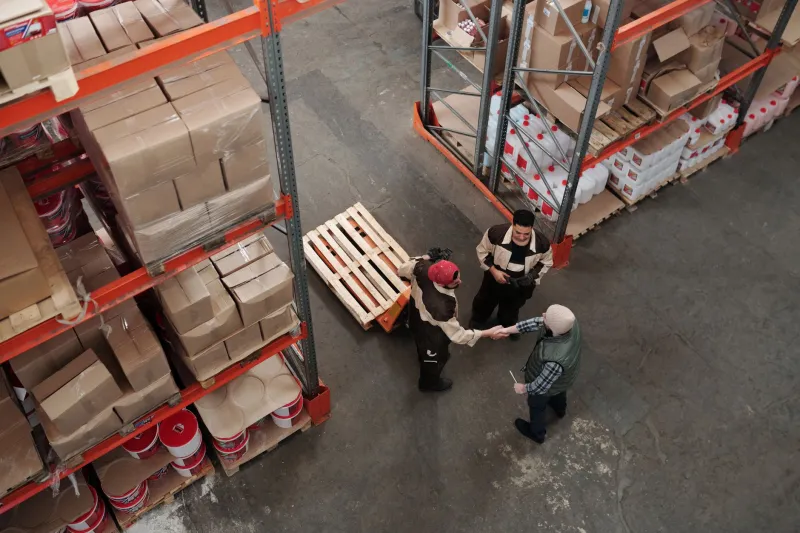
Whenever possible, conduct or commission an on-site facility audit. For domestic US suppliers, this is straightforward. For international vendors, third-party audit firms operating in manufacturing hubs across Asia and Europe can provide credible assessments at a reasonable cost. An on-site visit reveals equipment age and maintenance practices, workforce size and skill level, inventory staging discipline, and warehouse organization — all indicators of operational maturity that are invisible in a sales presentation.
Also probe subcontracting practices. Some suppliers present as vertically integrated when, in reality, critical components or production steps are outsourced to secondary vendors. Understanding the full production chain is essential for accurately assessing risk exposure.
Pillar Three: Quality Certifications and Compliance Documentation
For US buyers operating in regulated industries — food service, healthcare, construction, electrical, and others — supplier quality certifications are not optional considerations. They are baseline requirements. But even outside regulated sectors, documented quality systems are a reliable indicator of process discipline and accountability.
Request copies of all relevant certifications and verify their current standing directly with the issuing body. ISO 9001 certification, for example, is widely held but not uniformly maintained. Confirm expiration dates, scope of certification, and whether any corrective action notices have been issued.
Beyond certifications, review the supplier's internal quality control documentation. Ask for examples of their non-conformance reporting process, incoming material inspection protocols, and customer complaint resolution records. A supplier that tracks quality failures systematically and addresses them with documented corrective actions is a supplier that takes quality seriously. One that cannot produce these records on request is a supplier to approach with caution.
For products subject to US regulatory oversight — such as those governed by OSHA standards, FDA requirements, or UL listings — verify that the supplier's documentation aligns with current federal and state requirements applicable to your industry.
Pillar Four: Contingency Protocols and Risk Mitigation Readiness
The COVID-19 pandemic and subsequent supply chain disruptions permanently altered how sophisticated procurement teams think about supplier risk. The question is no longer simply whether a supplier can perform under normal conditions — it is whether they have a credible plan for when conditions are not normal.
During your audit, pose direct contingency scenarios. What happens if their primary raw material source is disrupted? Do they maintain safety stock of critical inputs? What is their backup plan if a key piece of equipment fails? How have they handled force majeure events in the past, and what did those situations cost their customers in terms of delivery delays?
Request documentation of their business continuity plan (BCP) if one exists. Evaluate whether that plan is a substantive operational document or a marketing-friendly summary with no actionable depth. Ask for references from existing customers who have experienced a disruption event and can speak to how the supplier responded.
Also review the contractual terms they propose around force majeure, delivery guarantees, and liability for non-performance. A supplier confident in their contingency capabilities will typically be willing to negotiate meaningful remedies into the contract. One that resists any accountability provisions for delivery failures may be signaling limited confidence in their own resilience.
Turning Audit Findings Into Negotiating Leverage
The output of a thorough supplier audit is not merely a risk assessment — it is a negotiating asset. When procurement teams enter contract discussions with specific, documented findings, they are positioned to request meaningful protections: performance bonds, inventory reserves, stepped pricing tied to delivery milestones, or audit rights embedded in the agreement itself.
Suppliers who have passed a rigorous vetting process and understand that the buyer has done their homework are typically more motivated to perform and more willing to accommodate reasonable contractual protections. The audit process itself signals that your organization is a serious, professional buyer — which often translates into better service, faster escalation responses, and greater supplier investment in the relationship.
At BulkBridge Supply, we work with procurement teams across a wide range of US industries, and the pattern is consistent: buyers who invest in structured pre-commitment diligence face fewer supply disruptions, negotiate stronger agreements, and build supplier relationships that hold up under pressure. The audit is not an obstacle to moving quickly — it is the foundation that makes moving decisively possible.